

Nobody warns you that the worst part isn’t the craving. It’s the second night, lying awake at 3 a.m. with your heart pounding for no reason you can point to, hands shaking around a glass of water like it weighs ten pounds. If you’ve tried quitting on your own before and it felt like your body was fighting you, you weren’t imagining it. That’s alcohol withdrawal, and it’s a physical process, not a character flaw.
For some people, that process gets dangerous. Seizures. Hallucinations. A condition called delirium tremens that can be fatal if nobody catches it in time. That risk is the entire reason alcohol detox centers in New Jersey exist. Someone needs to be watching the vitals while the body works through this.
Absolute Awakenings connects clients with a vetted network of alcohol detox treatment centers throughout New Jersey. Below is what the process actually involves, stage by stage, so you know what you or a family member is walking into.
Talk to an admissions specialist any time you’d rather ask a real person than keep reading alone.
Key Takeaways
- Withdrawal usually starts within 6 to 12 hours of the last drink and peaks somewhere between 24 and 72 hours after.
- Roughly half of people with alcohol dependence get withdrawal symptoms when they stop, and a small share of those cases turn serious enough to need emergency care.
- Alcohol detox centers in New Jersey monitor vitals around the clock, use medication to blunt the worst symptoms, and give people a safer place to get through the first week.
- Medical alcohol detox generally runs 5 to 10 days, though heavier or longer drinking histories can stretch that out.
- Detox gets the alcohol out of the system. It doesn’t fix the reasons someone was drinking, which is why treatment usually continues after.
- Most major insurance plans pick up some or all of the cost.
What Is Alcohol Detox?
Alcohol detox is the process of clearing alcohol out of the body while managing whatever symptoms show up along the way. It’s medical care, not a test of willpower.
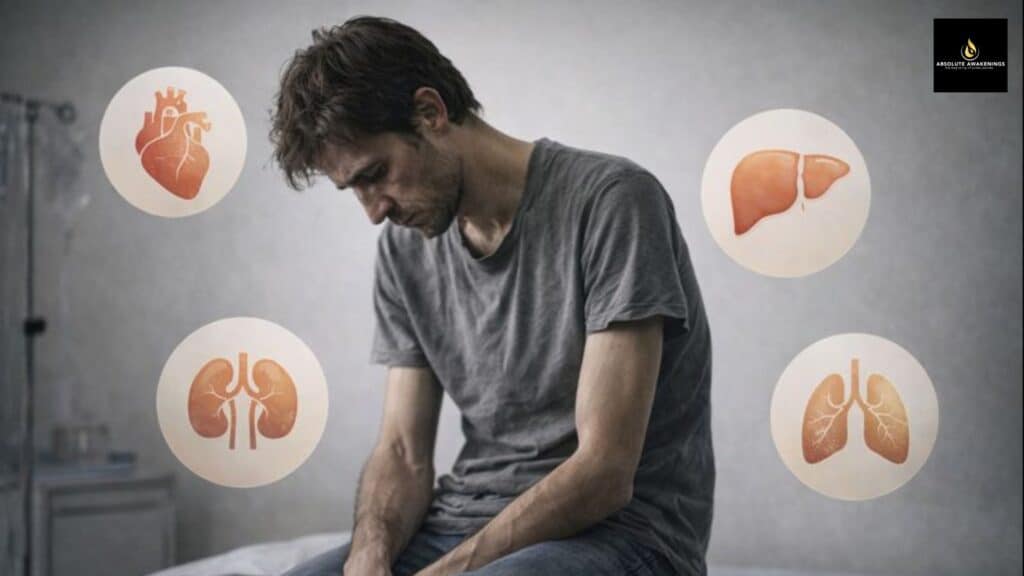
Heavy drinking over weeks or years changes brain chemistry. The brain leans on alcohol to stay balanced, and it adapts around that. Take the alcohol away suddenly, and the brain overcorrects. Tremors, sweating, anxiety, and in the more serious cases, seizures, are all part of that overcorrection.

Why Supervision Actually Matters Here
Hallucinations show up in roughly 2 to 8 percent of withdrawal cases, seizures in up to 15 percent, and delirium tremens develops in about 3 to 5 percent of patients. That last one is worth sitting with for a second. Untreated delirium tremens can kill up to half the people who develop it. Numbers like that aren’t meant to scare anyone. They’re the plain reason quitting alone at home carries real risk.
Why Does Withdrawal Happen in the First Place?
The brain doesn’t just tolerate alcohol over time. It rebuilds itself around it. Stop drinking and that rebuilt system suddenly has nothing to balance against, so it swings the other direction hard.
NIAAA data from 2021 shows that about half of people with alcohol dependence develop withdrawal symptoms when they cut back or stop, and 3 to 5 percent of them go on to develop something as serious as delirium tremens. Half is not a rare outcome. It’s closer to a coin flip, which is exactly why medically supervised detox beats trying to white-knuckle it through a weekend.
Who Tends to Have It Worse
- Daily, heavy drinking stretched over months or years
- Age past 65
- A past seizure during a previous attempt to quit
- Dehydration or an electrolyte imbalance
- Liver disease or other existing health conditions
Recognize a few of those on the list? Medical supervision isn’t overkill. It’s the responsible call.
What Are the Stages of Alcohol Withdrawal?
Withdrawal follows a rough pattern, even though the intensity of it is different for everyone.
| Timeframe | What’s Happening | Common Symptoms |
| 6–12 hours after last drink | Early withdrawal starts | Anxiety, sweating, nausea, mild tremors, headache |
| 12–24 hours | Symptoms build | Heavier tremors, insomnia, irritability, faster heart rate |
| 24–48 hours | Highest seizure risk | Seizures most likely in severe cases during this window |
| 48–72 hours | Most dangerous stretch | Delirium tremens and hallucinations may appear |
| Days to weeks | Symptoms linger | Fatigue, mood swings, poor sleep, cravings |
Most people with mild to moderate withdrawal see symptoms peak and start easing within 24 to 72 hours of their last drink. Some people keep dealing with disrupted sleep or mood swings for weeks past that point. That’s still normal, and it’s part of why detox by itself doesn’t finish the job.
What Actually Happens During Medical Detox?
The alcohol detox process follows a fairly set sequence, though what it looks like day to day depends on the person going through it.
- Intake and assessment. Staff go through drinking history, health conditions, current medications, and any past withdrawal episodes to build a plan specific to that person.
- Vitals monitoring starts immediately. Blood pressure, heart rate, and temperature get checked on a regular schedule, especially through the first 72 hours.
- Medication support. Benzodiazepines remain the standard for easing symptoms and cutting seizure risk. Other medications get added based on what shows up.
- Hydration and nutrition. Dehydration and low thiamine are corrected early, since both can make withdrawal worse if left alone.
- Continuous observation. Staff are trained to catch warning signs, like sudden confusion or a spiking heart rate, before they turn into something bigger.
- Stabilization. Once vitals settle and the acute symptoms pass, the client is cleared to move into the next phase of treatment.
What This Looks Like in Practice
Picture someone who’s had a bottle of wine every night for three years and decides to stop cold turkey at home. By hour ten, their hands are shaking too hard to hold a coffee mug. By hour eighteen, their resting heart rate has climbed past 110. In a supervised setting, that heart rate triggers a medication adjustment within minutes. At home, it’s just a number nobody’s tracking. That gap between the two scenarios is the whole case for medical detox.
How Long Does Detox Take?
Most people go through 5 to 10 days of supervised detox, though drinking history, overall health, and any other substances involved can push that window longer.
- Days 1–2: The roughest stretch. Monitoring matters most here.
- Days 3–5: Symptoms start to ease as the body stabilizes.
- Days 6–10: Physical symptoms fade out, though sleep and mood can take longer to settle.
Ten years of heavy drinking and ten months of it don’t call for the same level of monitoring. That’s why an honest intake conversation matters more than any generic timeline you’ll find online.
Alcohol Detox vs. Rehab: They’re Not the Same Thing
People use these two words interchangeably, and that mix-up causes real confusion about what happens next.
| Alcohol Detox | Rehab | |
| Main focus | Getting through physical withdrawal safely | Working through the behaviors and triggers behind the drinking |
| Typical length | 5 to 10 days | Weeks to months, depending on the level of care |
| Setting | Medically supervised, often round-the-clock | Inpatient, partial hospitalization, or outpatient |
| What it addresses | Physical dependence | Psychological and behavioral patterns |
| Enough on its own? | No | Built for lasting recovery |
Detox handles the body. Rehab handles the rest. Walking away after detox without a follow-up plan is one of the more common reasons people end up back where they started within weeks.
What to Look for in Alcohol Detox Centers Near You
Detox programs aren’t interchangeable, and the differences between them matter more than most people expect walking in.
| What to Check | Why It Matters |
| Medical staff on-site 24/7 | Complications can develop fast, especially inside the first 72 hours |
| A withdrawal protocol built around the individual | Generic dosing ignores personal health history |
| Real accreditation (Joint Commission, state licensing) | Confirms the facility actually meets clinical standards |
| A clear path into further treatment | Detox without follow-up rarely holds |
| Help verifying insurance | Takes the guesswork out of cost before you commit |
When you’re searching for alcohol detox NJ options nearby, 24/7 medical staffing and real accreditation shouldn’t be optional extras. They should be the baseline.
Absolute Awakenings works with a vetted network of accredited facilities so families aren’t stuck vetting options alone in the middle of a crisis. Programs get matched to actual medical needs, not just open beds. The organization serves clients across North Jersey, including Morris County, Bergen County, and Essex County, along with nearby towns searching for detox and treatment closer to home.
What Does It Cost, and Will Insurance Cover It?
Cost is usually the second question families ask, right after safety. Most major insurance plans, including Cigna, Aetna, Anthem, Empire BCBS, and TRICARE, cover some or all of medically supervised alcohol detox, since it counts as medically necessary care for alcohol use disorder.
What you’ll actually pay out of pocket depends on your plan, your deductible, and how long you stay. Guessing at that number wastes time. Verifying your insurance benefits directly gives you a real answer instead.
What Happens After Detox?
Detox clears the alcohol and stabilizes the body. It doesn’t touch the habits, stress, or triggers that led to drinking in the first place. Detox is a critical first step toward recovery, but it isn’t treatment by itself. Recovery from alcohol use disorder is measured in months, not days.
Most people move straight from detox into a structured program next, whether that’s inpatient care, partial hospitalization, or intensive outpatient treatment, depending on what their life actually allows for. If you’re trying to figure out what comes after detox, this related piece on what makes a treatment center worth choosing is a good next read.
Family members supporting someone through this can request a confidential assessment before anyone commits to anything. Ask the questions. Understand the options. Nobody should have to decide this under pressure.
Frequently Asked Questions
Is it dangerous to detox from alcohol at home?
It can be, especially after a long stretch of heavy drinking. Seizures and delirium tremens are medical emergencies, and they’re far safer to manage with trained staff in the room.
How do I know if I need medical detox or if I can handle it myself?
Daily drinking, a rough experience trying to quit before, or any existing health condition all point toward medical detox being the safer choice. One assessment call usually settles it.
Will my insurance actually cover alcohol detox in New Jersey?
Most major providers cover some or all of medically supervised detox. Verifying your specific plan ahead of time beats guessing based on what worked for someone else.
What’s the real difference between detox and rehab?
Detox handles the physical withdrawal. Rehab deals with the behaviors and triggers connected to the drinking itself, usually through therapy once detox wraps up.
How long do withdrawal symptoms actually stick around?
Acute symptoms tend to peak within 24 to 72 hours and taper off within about a week. Some people feel lingering effects, like poor sleep or mood swings, for a few weeks longer.
Can I still work while I’m going through detox?
Not usually during the acute stretch, since symptoms can be intense and monitoring often needs to happen around the clock. Plenty of clients take short-term medical leave to get through it safely.
What should I actually pack for detox?
Comfortable clothing, basic toiletries, and any current prescriptions in their original bottles. Most facilities send over a full checklist before you arrive.
Is it normal to feel nervous about starting?
Completely normal. Most people fear withdrawal a lot more than the reality of it once they’re being monitored by staff who’ve done this thousands of times.
Do I need a doctor’s referral to start detox near me?
No. You can call directly, and admissions staff will walk you through the assessment from there.
What happens if I relapse after finishing detox?
It doesn’t mean anything failed. Relapse is common enough that most programs treat it as a signal to adjust the plan, not a reason to stop trying.
Medically reviewed for clinical accuracy by the Absolute Awakenings clinical team. This article is for general information and isn’t a substitute for a professional medical evaluation.
Conclusion
Quitting alcohol alone is one of the harder things a person can attempt, and it isn’t always safe without support nearby. If you or someone you love is weighing detox, reach out to Absolute Awakenings and talk through what comes next. The conversation is confidential, and it doesn’t cost anything to ask.
Call (866) 768-0528 to speak with an admissions specialist today.