


For most people, the answer to whether they can work during PHP (Partial Hospitalization Program) is not full-time. PHP typically runs 5 to 6 hours a day, 5 days a week, which overlaps with regular work and school hours. Many people take medical leave or reduce their working hours during treatment before transitioning to a more flexible program like IOP.
The law helps more than many people expect. Under the federal Family and Medical Leave Act, eligible employees can take up to 12 weeks of job-protected leave for a serious health condition, including treatment for substance use or mental health, and the leave can be taken in pieces if needed. You need 12 months with your employer and 1,250 hours worked to qualify.
This guide explains how PHP fits with work and school, how to handle leave and school coordination, how to plan a return, and how Absolute Awakenings in Morris Plains, New Jersey, helps you step down.
If you are worried about your job or classes, contact Absolute Awakenings today, confidential conversation. You can also read about our partial hospitalization program or verify your insurance online.
Key Takeaways
- PHP is close to a full-time commitment. About 20 or more hours a week, usually during the day.
- Most people take leave. Many use FMLA, short-term disability, or a medical leave from school.
- IOP fits work and school better. It meets 3 to 4 times a week for up to 4 hours at a time.
- You control what you share. Your employer or school usually needs a provider letter, not your full history.
- Step-down is the plan. Many people spend about 2 to 4 weeks in PHP, then move to IOP.
- Absolute Awakenings treats adults 18 and older. Teens under 18 need an adolescent program.
Can You Work While in a Partial Hospitalization Program?
Usually not full-time. PHP takes up most of the day, and most programs expect you to attend for about 20 hours a week or more. At Absolute Awakenings, PHP runs about 5 to 6 hours a day, 5 days a week. That schedule overlaps most jobs and classes.
Here are the options most people use:
| Option | How it works | Often a good fit when |
| Full leave | You step away from work for the PHP stay | Your job is demanding or your symptoms are severe |
| Intermittent or reduced leave | You work limited hours around treatment, if your employer allows | Your job is flexible and you have strong support |
| Switch to IOP | Treatment moves to 3 to 4 sessions a week | You are stable and need to keep working |
| Remote work after sessions | You do light work in the evenings | Only in later weeks, if at all |
Be honest with yourself. Early treatment takes energy. Trying to do a full workday after a full treatment day often leads to burnout and missed sessions. Protecting your recovery protects your job in the long run.
Not sure what your job allows? Contact our team.
How Does Leave From Work Work During PHP?
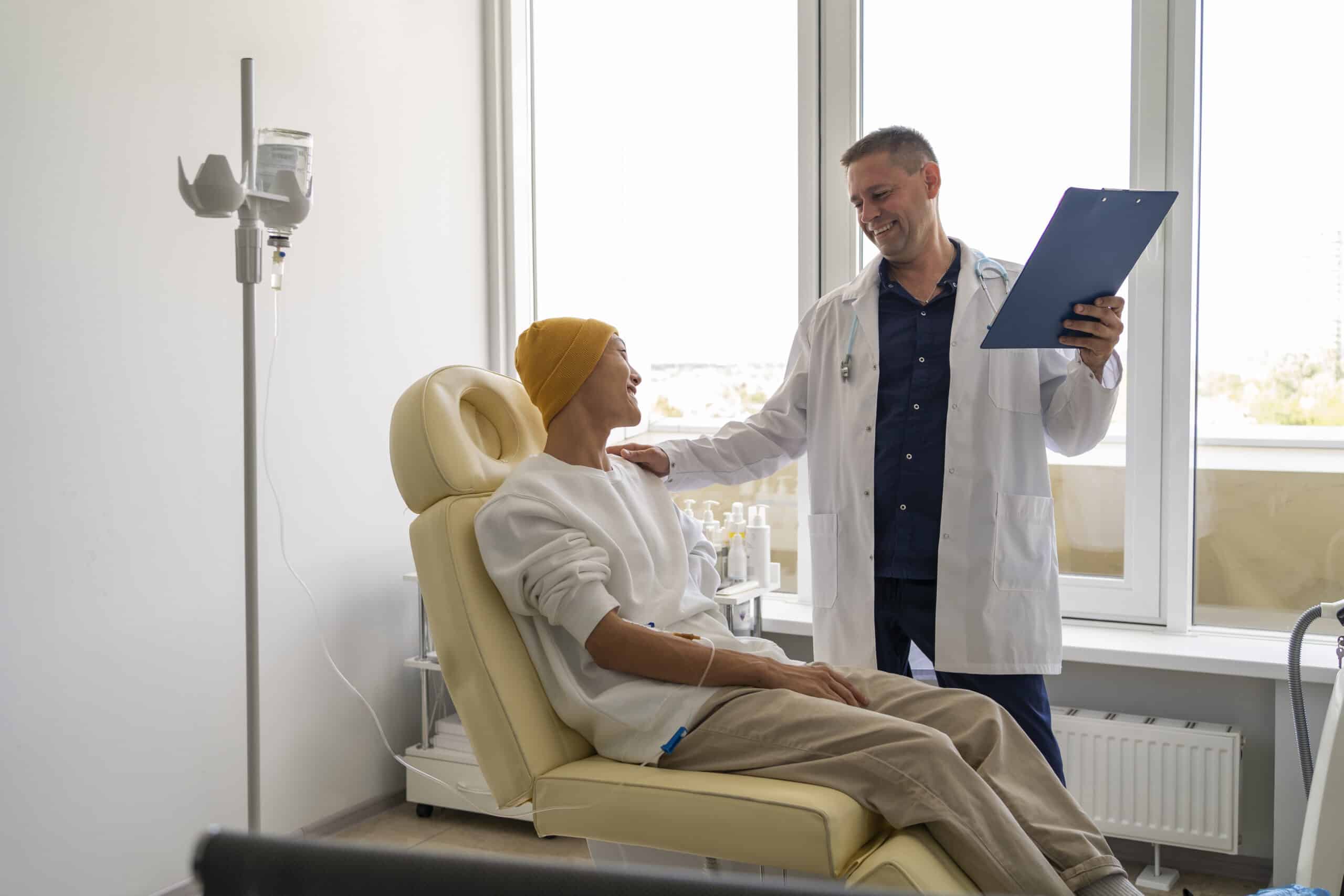
Leave works through your employer’s policies and federal or state protections, supported by a letter from your treatment provider. FMLA is the main federal option, and some people also use short-term disability or accrued time off.
Here is how to start:
- Call admissions first. Our team can explain the schedule and give you a letter confirming treatment dates.
- Check your eligibility. FMLA applies if your employer is covered and you meet the 12-month and 1,250-hour rules.
- Talk to HR. You can ask for leave without sharing your full diagnosis. Employers can require medical certification from a provider.
- Understand what counts. Federal rules say substance abuse may be a serious health condition, and leave is for treatment by a health care provider. Absence due to using the substance does not qualify.
- Plan your return. Ask about a phased return or reduced hours once you move to IOP.
Other protections may apply, including the Americans with Disabilities Act and New Jersey leave programs. Rules depend on your employer and situation, so ask HR or an employment attorney.
What About PHP and School Attendance?
PHP and school attendance rarely fit together during the day. Adult students, including college and graduate students, usually pause classes or reduce their load while in PHP, then restart once they step down. The goal is to protect both your health and your academic record.
Here is how the levels compare for work and school:
| Level | Typical time | Work | School |
| PHP | 5 to 6 hours a day, 5 days a week | Very difficult | Very difficult during the day |
| IOP | 3 to 4 sessions a week, up to 4 hours each | Often possible | Often possible with scheduling |
| Outpatient | Weekly sessions | Usually possible | Usually possible |
How does school coordination during treatment work?
School coordination during treatment means telling the right office what it needs to know, and nothing more. For most adult students, this is how it goes:
- Contact your dean of students or disability services office. They handle medical leave and accommodations.
- Share a provider letter. It can confirm treatment dates without describing your diagnosis.
- Ask about your options. These may include an incomplete grade, a medical withdrawal, or a reduced load.
- Check the practical details. Ask how tuition, financial aid, and campus housing are affected.
- Know your privacy rights. Treatment records are protected by HIPAA, and you decide what to release.
Federal laws, including Section 504 and the ADA, require many colleges to offer reasonable accommodations for students with disabilities, which can include mental health and substance use conditions.
What does returning to school after PHP look like?
Returning to school after PHP works best as a gradual move, not a sudden jump. Here is what helps:
- Start with a lighter load. Take fewer classes in the first term back.
- Schedule classes around IOP. Many people attend IOP after class or in the evening.
- Keep your therapist in the loop. Tell your team about deadlines, exams, and stress.
- Plan for triggers. Campus parties, dorm life, and high-pressure weeks need a written plan.
- Use campus support. Counseling centers and collegiate recovery programs can help.
- Build routine. Sleep, meals, and attendance protect your progress.
Our Recovery Capital program focuses on building the housing, work, and relationships that support recovery, which is useful when you are planning a return.
What About Teen Treatment and School?
Absolute Awakenings treats adults 18 and older. Teens under 18 need an adolescent program, and school is a big part of what those programs plan around. If you are searching for teen treatment and school support for a younger family member, ask any program these questions:
- Does the program meet after school hours so your teen stays in class?
- Does the team coordinate with the school counselor, with your permission?
- Are academic supports available if your teen falls behind?
- Are parents and guardians involved in treatment?
- What is the plan for returning to full school days?
Young adults aged 18 to 25 are treated as adults here. If you are a student in that age range, the guidance in this article applies to you directly.
How Does Step-Down Help You Get Back to Normal?
Step-down means moving to less intensive care as you get stronger, which is how work and school return to the picture. Most people begin in PHP, then move to IOP, then to outpatient care.
At Absolute Awakenings, the usual path looks like this:
- PHP. Often about 2 to 4 weeks of full-day treatment with individual therapy, group therapy, psychoeducation, medication management, and family sessions.
- IOP. Often around 8 to 12 weeks, with 3 to 4 sessions a week of up to 4 hours. This is where many people restart work or school. Learn more about our intensive outpatient program.
- Outpatient. Weekly therapy and support.
- Aftercare. We offer lifetime aftercare to those who complete our program, plus an alumni community.
Timelines are general and depend on your progress. For a closer look at how PHP works, read our guide, What Is a Partial Hospitalization Program (PHP)? A New Jersey Family Guide.

How Do You Get Started, and Will Insurance Cover It?
Getting started takes one call. You talk with our admissions team, complete a confidential assessment, and learn what your insurance covers. Many plans cover PHP when it is medically necessary.
Here is how it works at Absolute Awakenings:
- Complete an assessment. We review your substance use, mental health, work, and school situation.
- Verify your insurance. We check your benefits and explain your options.
- Plan your schedule. We talk through leave, school, and what comes after PHP.
- Start treatment. You begin with an individualized plan.
We work with most major insurers, including Cigna, Aetna, Anthem, Blue Cross Blue Shield, Magellan, Beacon, First Health Network, and TRICARE. Coverage depends on your plan, so verify your insurance before you start. You can also read about using health insurance for rehab.
Our center is at 3000 NJ-10 in Morris Plains, and we are Joint Commission accredited. We serve people from Morristown, Parsippany, East Hanover, and across Morris County. If you are searching for a PHP near me, you can schedule a tour.
No program can promise a specific outcome. Recovery depends on your history, your health, and your support. What a strong program can do is help you protect your job and studies while you heal.
How can family members help?
- Help with logistics. Rides, meals, and childcare can lighten the load.
- Support the leave decision. Pushing to “keep working” can backfire.
- Learn about the program. Understanding PHP and IOP helps you support the plan.
- Join family sessions. Family therapy is part of treatment.
- Look after yourself. Families need support too.
Ready to Plan Around Your Job or School? Call Today.
You do not have to choose between your recovery and your future.Our admissions team will listen, explain the schedule, and help you plan leave, school, and your return. Everything you share is confidential.
Recovery and Your Future Can Move Forward Together
The answer to “can you work while in a partial hospitalization program is usually “not at first,” but it is also “soon.” With a leave plan, school coordination, and a step-down path, most people get back to work and class without losing what they gained in treatment.
Call Absolute Awakenings at (973) 381-2704. Our team will listen, answer your questions, and help you plan your next step.
Frequently Asked Questions
Can you work while in a partial hospitalization program?
Usually not full-time. PHP takes about 5 to 6 hours a day, 5 days a week, so most people take leave or reduce hours. After PHP, IOP fits around many jobs.
Can I work part-time during PHP?
It depends on your job and your symptoms. Part-time or remote work in the evening may be possible later in treatment. Early on, most people need their energy for recovery. Ask the admissions team before you decide.
Will my employer find out I am in treatment?
Your treatment records are protected by HIPAA, and you decide what to share. Employers may ask for a provider letter or certification to approve leave, but they do not need your full history.
Can I keep my job if I take leave from PHP?
Often, yes. FMLA protects eligible employees for up to 12 weeks of leave for treatment by a health care provider. Eligibility depends on your employer and your work history, so check with HR.
Can I attend college classes during PHP?
Usually not during the day, because PHP overlaps class hours. Many students take a medical leave or reduce their load, then restart when they move to IOP. Talk to your dean of students or the disability services office.
How long until I can go back to work or school?
Many people spend about 2 to 4 weeks in PHP, then move to IOP, where work or school is often possible. Your team adjusts the timing based on your progress.
Is IOP better for working people?
Often, yes. IOP meets 3 to 4 times a week for up to 4 hours, which leaves more room for a job or classes. Ask our team about current IOP scheduling.
Does insurance cover PHP in New Jersey?
Many plans do when it is medically necessary. Absolute Awakenings works with most major insurers, including Cigna, Aetna, Anthem, BCBS, and TRICARE. Verify your insurance to see your coverage.
Is there a PHP near me in Morris County, NJ?
Yes. Absolute Awakenings is in Morris Plains and serves people from Morristown, Parsippany, East Hanover, and across Morris County.
Does Absolute Awakenings treat teens?
No. We treat adults 18 and older. If your teen is under 18, look for an adolescent program that meets after school and coordinates with the school. We are happy to help you think through next steps.