


Yes, a partial hospitalization program (PHP) can treat addiction and mental health at the same time, as long as it is built to do both. Dual diagnosis partial hospitalization puts therapy for substance use and psychiatric care under one roof, on one schedule, with one team. For many people, that is the difference between treatment that holds and treatment that falls apart.
Most people with both problems still get care for only one. According to the 2024 National Survey on Drug Use and Health, among adults with a mental illness and a substance use disorder, only 14.5% received both types of treatment, and 41.2% received neither. Treating just one side leaves the other free to pull you back.
This guide explains how a dual diagnosis PHP works, which conditions it covers, who is a good fit, and how Absolute Awakenings in Morris Plains, New Jersey, approaches co-occurring care.
If you are weighing your options, call Absolute Awakenings at (866) 768-0528 for a free, confidential assessment. You can also read about our dual diagnosis program, our partial hospitalization program, or verify your insurance online.
Key Takeaways
- Yes, PHP can treat both conditions at once. The program must include mental health care, not just addiction therapy.
- Treating both together works better. Each condition can make the other worse, so treating one alone often leaves a gap.
- PHP is a full treatment day. It runs about 5 to 6 hours a day, 5 days a week, and you sleep at home or in sober living.
- It treats common pairings. These include depression, anxiety, PTSD, bipolar disorder, and ADHD alongside alcohol or drug use.
- PHP is not for emergencies. If you are in danger, call 988 or 911.
- Step-down is part of the plan. Most people move from PHP to an intensive outpatient program (IOP) and ongoing support.
Can PHP Treat Addiction and Mental Health at the Same Time?
Yes. A PHP built for co-occurring disorders treats both conditions together, with therapists and psychiatric providers working from one plan. That is the standard approach in integrated care, and it is how Absolute Awakenings designs its programs.
Here is how three approaches compare:
| Approach | What happens | Common problem |
| One at a time (sequential) | Addiction is treated first, mental health later, or the reverse | The untreated condition drives relapse |
| Separate providers (parallel) | Different teams treat each condition | Plans do not match, and messages conflict |
| Integrated care | One team treats both, on one plan | Fewer gaps, steadier progress |
The idea behind integrated care is simple. Anxiety can lead to drinking. Drinking worsens anxiety. Fixing only one part of the loop leaves the other part running.
Our dual diagnosis page explains that regardless of which problem came first, treatment should target both disorders simultaneously rather than separately.
What Is Dual Diagnosis Partial Hospitalization?
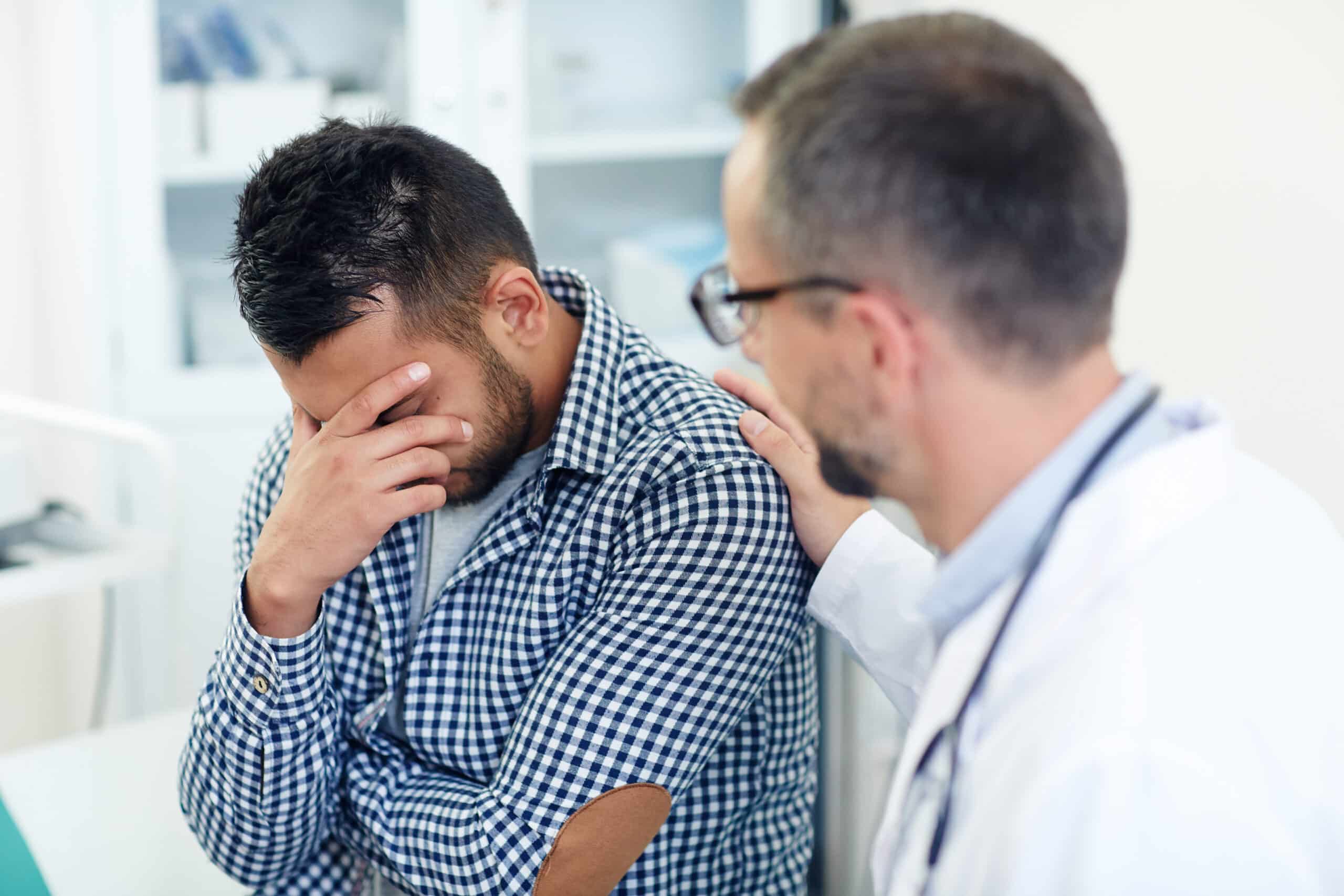
Dual diagnosis partial hospitalization is a day-treatment program that addresses a substance use disorder and a mental health condition together. You attend structured treatment for most of the day, then return home or to sober living at night. A dual diagnosis PHP sits above IOP and below inpatient care.
At Absolute Awakenings, PHP typically runs about 5 to 6 hours a day, 5 days a week, for 20 or more hours a week. Many people stay for roughly 2 to 4 weeks, then step down to IOP.
A typical week can include:
| Component | What it does |
| Individual therapy | Works on the thoughts, trauma, and habits behind use |
| Group therapy | Builds peer support and skills |
| Psychiatric care and medication management | Treats symptoms of depression, anxiety, and other conditions |
| Family therapy | Rebuilds trust and communication |
| Skill-building (CBT, DBT, ACT) | Teaches practical tools for cravings and emotions |
| Wellness activities | Yoga therapy, art therapy, and Muay Thai support stress relief |
If you want to see how PHP compares with other levels, read our guide, PHP vs IOP vs Inpatient Rehab: Which Level of Care Fits?
Which Conditions Can a Dual Diagnosis PHP Treat?
A dual diagnosis PHP can treat addiction alongside depression, anxiety, PTSD, bipolar disorder, ADHD, and personality disorders. These conditions often feed substance use, and substance use often feeds them.
The link is common. SAMHSA’s 2024 data show that 31.5% of adults with any mental illness also met the criteria for a substance use disorder.
| Condition | How it often connects to substance use | Learn more |
| Depression | Alcohol or drugs used to numb low mood, then worsen it | Depression treatment |
| Anxiety disorders | Substances used to calm worry or panic, then rebound anxiety | Anxiety treatment |
| PTSD and trauma | Substances used to dull memories, sleep problems, or hyperarousal | PTSD treatment |
| Bipolar disorder | Substances used to manage highs and lows, which can trigger episodes | Bipolar treatment |
| ADHD | Stimulants or other substances used to cope with focus problems | ADHD treatment |
Our team also provides trauma-informed care, which shapes how all of these conditions are treated.
How Does Addiction and Depression Treatment Work in PHP?
Addiction and depression treatment in PHP works by treating low mood and substance use together, with daily therapy and psychiatric support. Depression can drive drinking or drug use, and substances can deepen depression within hours or days. Treating both breaks that loop.
Here is what the treatment usually includes:
- Therapy that targets both problems. CBT helps you challenge negative thoughts. DBT skills help you tolerate distress without using.
- Medication management. A prescriber can evaluate whether an antidepressant or other medication fits, and monitor it safely.
- Behavioral activation. Scheduled activities, exercise, and routines help rebuild energy and interest.
- Safety checks. Staff watch for thoughts of suicide and respond right away.
- Relapse prevention. You map triggers and plan responses before you leave each day.
A safety note: if you have thoughts of suicide, call or text 988 or call 911. PHP is a strong level of care, but it is not an emergency service.
Here is a pattern that appears again and again. Someone starts drinking at night to quiet a low mood. Within months, the drinking is the bigger problem, and the mood is worse than before. When treatment tackles only the drinking, the low mood returns and so does the drink. When treatment addresses both, the person has real tools for each.
How Does Substance Use and Anxiety Treatment Work in PHP?
Substance use and anxiety treatment in PHP works by teaching you to manage anxiety without substances while treating the addiction directly. Alcohol, benzodiazepines, and other drugs can calm anxiety briefly, then make it worse as they wear off. A dual diagnosis PHP interrupts that cycle.
Here is what you can expect:
- Skills for anxiety at the moment. Breathing, grounding, and acceptance tools through CBT, DBT, and ACT.
- Gradual practice. You face feared situations in small steps, with support, instead of avoiding them.
- Careful medication decisions. Anti-anxiety medications, especially benzodiazepines, need close review when addiction is present.
- Trauma work when needed. Many anxiety symptoms trace back to trauma, so our team treats the cause as well as the symptom.
- Mind-body practices. Yoga therapy and mindfulness lower stress and improve sleep.
If a benzodiazepine is part of the picture, do not stop it suddenly on your own. Stopping abruptly can cause seizures, so a medical team should guide any change. If you need detox first, Absolute Awakenings can help you find one through our detox placement network.
Who Is a Good Fit for Dual Diagnosis PHP?
Dual diagnosis PHP fits people who need daily structure and psychiatric support but can live safely at home or in sober living. It is often a good step after detox or inpatient care, or a stronger option than weekly therapy when symptoms are getting in the way.
PHP may be a good fit if you:
- Have both a substance use problem and a mental health condition
- Have tried weekly therapy or IOP and still struggle
- Are coming from detox or inpatient care
- Have a safe, substance-free place to sleep
- Can attend most of the day, 5 days a week
You may need a different level of care if you:
- Need medical detox before treatment starts
- Are in immediate danger or have severe psychiatric symptoms that need 24-hour care
- Have no safe place to live
- Need constant supervision to stay safe
Absolute Awakenings does not run a residential program. We help people find inpatient care in New Jersey when it is the right fit, then continue with PHP, IOP, and outpatient care afterward.
Not sure where you fit? Speak to our admissions team or call (866) 768-0528.

How Do You Get Started, and Will Insurance Cover It?
Getting started takes one call. You talk with our admissions team, complete a confidential assessment, and learn what your insurance covers. Many plans cover PHP when it is medically necessary.
Here is how it works at Absolute Awakenings:
- Call (866) 768-0528. Our team answers 24 hours a day.
- Complete an assessment. We review your substance use, mental health history, and home situation.
- Verify your insurance. We check your benefits and explain your options.
- Choose your level of care. We recommend PHP, IOP, outpatient care, or a referral for detox or inpatient treatment.
- Start treatment. You begin an individualized plan, with family involvement.
We work with most major insurers, including Cigna, Aetna, Anthem, Blue Cross Blue Shield, Magellan, Beacon, First Health Network, and TRICARE. Coverage depends on your plan, so verify your insurance before you start. You can also read how to use health insurance for rehab.
For co-occurring disorders treatment NJ residents can trust, location matters too. Our center is at 3000 NJ-10 in Morris Plains, and we serve people from Morristown, Parsippany, East Hanover, and across Morris County. We are Joint Commission accredited. If you are searching for a PHP near me, you can schedule a tour.
We offer lifetime aftercare to those who complete our program, along with an alumni community. Our Recovery Capital program focuses on building the housing, work, and relationships that support recovery.
No program can promise a specific outcome. Progress depends on your history, your health, and your support. What a strong program can do is treat both conditions as one plan.
How can family members help?
- Say what you see. “You seem low and you have been drinking more” is clearer than “You have a problem.”
- Learn about dual diagnosis. Understanding how the two conditions connect reduces blame.
- Join family sessions. Family therapy is part of treatment.
- Avoid ultimatums you will not keep. Mixed messages make it harder to ask for help.
- Look after yourself. Families need support too.
Ready to Treat Both at Once? Call Absolute Awakenings.
You do not have to choose between treating your mental health and treating your addiction. Call Absolute Awakenings at (866) 768-0528, or verify your insurance online. Our admissions team will listen, answer your questions, and recommend a level of care that fits. Everything you share is confidential.
One Plan for Both Problems Is a Realistic Goal
Treating addiction and mental health together is not just possible, it is the approach most likely to hold. Dual diagnosis partial hospitalization gives you structure, psychiatric support, and a team that sees the whole picture.
Call Absolute Awakenings at (866) 768-0528. Our team will listen, answer your questions, and help you take the next step.
Medical disclaimer: This article is for general education and does not replace advice from a licensed healthcare professional. Do not stop or change a prescribed medication without talking to your prescriber. If you are in crisis, call or text 988. In a medical emergency, call 911.
Frequently Asked Questions
Can you get mental health treatment in an addiction PHP?
Yes, if the program is designed for co-occurring disorders. At Absolute Awakenings, PHP includes therapy, psychiatric care, and medication management for conditions such as depression, anxiety, PTSD, and bipolar disorder alongside addiction treatment.
What is the difference between dual diagnosis PHP and regular PHP?
Regular PHP focuses mainly on addiction. A dual diagnosis PHP treats a mental health condition at the same time, with psychiatric support and therapy for both. The two are planned together, not separately.
How do I know if I have both a mental health and a substance use problem?
Common signs include using alcohol or drugs to cope with mood or anxiety, symptoms that get worse when you use, and trouble stopping despite harm. Only a professional can diagnose. A free assessment can help you sort it out.
How long does dual diagnosis PHP last?
Many people stay about 2 to 4 weeks, then step down to IOP. Your team adjusts the length based on your progress and needs.
Will I be given medication?
It depends on your situation. Medication management is part of care, and a prescriber decides whether a medication fits after an evaluation. Therapy is the core of treatment.
Can I work during PHP?
PHP takes up most of the day, 5 days a week, so working full time is usually hard. IOP is more flexible. Talk with the admissions team about your work situation before deciding.
Does insurance cover dual diagnosis PHP in New Jersey?
Many plans do when it is medically necessary. Absolute Awakenings works with most major insurers, including Cigna, Aetna, Anthem, BCBS, and TRICARE. Verify your insurance to see your coverage.
Is there co-occurring disorders treatment near me in Morris County, NJ?
Yes. Absolute Awakenings is in Morris Plains and serves people from Morristown, Parsippany, East Hanover, and across Morris County. Call (866) 768-0528 to ask about availability.
What if I am having thoughts of suicide?
Call or text 988, or call 911, right away. PHP is not an emergency service. After a crisis, a step into PHP can be part of your recovery plan.
How can I help a loved one with both problems?
Stay calm, describe what you have noticed, and offer to help with the first call. Avoid ultimatums. Our team can talk you through next steps.