
Objective
This blog explains why alcohol withdrawal can become dangerous, why medical detox is often necessary, and how doctors use medications for alcohol detoxification to lower the risk. It also explains common alcohol detox meds and shows how they fit into safe withdrawal treatment and long-term rehab care.
Key Takeaways
- Alcohol withdrawal can range from anxiety and shaking to seizures and delirium.
- Medical detox helps doctors closely monitor symptoms and respond quickly if the person worsens.
- Benzodiazepines are a main part of withdrawal treatment because they are first-line medicines for alcohol withdrawal.
- Naltrexone and acamprosate are more often used after detox to support recovery from alcohol use disorder.
- Dosage matters. These medicines should be adjusted by doctors based on symptoms and health history.
- Detox is the first step. Ongoing rehab care still matters after withdrawal ends.
1. Why Alcohol Withdrawal Can Be Dangerous
When a person drinks heavily for a long time, the brain and body adjust to alcohol being there. When alcohol suddenly stops, the body can react harshly. That reaction is withdrawal. Mild symptoms can include sweating, shaking, anxiety, nausea, and trouble sleeping. Severe withdrawal can include hallucinations, seizures, and delirium tremens, which is a medical emergency.
This is why alcohol withdrawal should not be treated like an ordinary hangover. Some people may feel unwell but stay stable. Others may become very sick in a short time. The risk is higher for people who have been drinking heavily for a long time, have had withdrawal before, or have other health problems.
At Absolute Awakenings, the most important point is simple. Alcohol withdrawal is not only uncomfortable. It can become dangerous without proper care.
2. Why Medical Detox Is Necessary
Medical detox gives patients a safer place to go through early withdrawal. Doctors and nurses can monitor blood pressure, pulse, temperature, hydration, and mental status as symptoms change. That matters because alcohol withdrawal does not always follow a smooth path. A person can look stable early on, only to get worse later.
Medical detox is also important because withdrawal treatment is not just about giving medicine. It often includes fluids, rest, monitoring, and support for nutrition and other health needs. SAMHSA and ASAM both describe detox as a structured medical process, not something that should be reduced to willpower alone.
3. How Medications For Alcohol Detoxification Help
Medications for alcohol detoxification help doctors lower the danger of withdrawal while the body adjusts to the absence of alcohol. These medicines can reduce agitation, calm the nervous system, and lower the risk of serious complications such as seizures.
This part is important to understand clearly. Not all alcohol detox meds do the same job. Some are used during the acute withdrawal stage. Others are used after detox, when the goal becomes staying sober and reducing cravings. Patients and families often mix these stages, but doctors do not. They choose medicine based on where the person is in the process.
Safe Alcohol Detox Starts With Medical Help
Struggling with withdrawal or unsure what to do next? Get expert guidance on medications for alcohol detoxification and start your recovery safely today.
4. Benzodiazepines In Withdrawal Treatment
Benzodiazepines are the main medicines doctors use during alcohol withdrawal. ASAM describes them as first-line treatment because they are well supported for reducing the signs and symptoms of alcohol withdrawal, including seizure risk.
In plain language, these medicines help slow down the overactive nervous system during detox. That can help with shaking, sweating, anxiety, panic, and severe agitation. They are not meant for guesswork or casual use. They are meant to be used carefully in a supervised setting.
This is where withdrawal treatment needs real medical judgment. One person may need more support than another. One person may need medicine sooner. Another may need slower adjustment because of age, liver health, or other drugs already in the body. That is why dosage matters so much.
5. Naltrexone After Detox
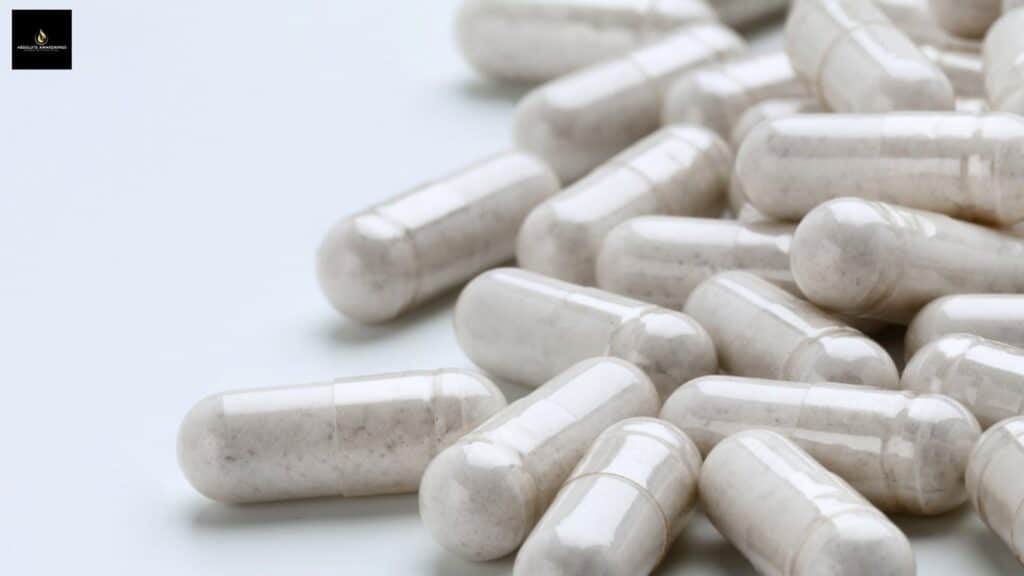 Naltrexone is one of the FDA-approved medications used to treat alcohol use disorder. NIAAA explains that it can help reduce the urge to drink.
But naltrexone is usually not the main medicine used to control dangerous early withdrawal. Its role is more about what comes after detox. Once the person is medically stable, naltrexone may be part of a larger recovery plan to help reduce cravings and lower the chance of returning to drinking.
That is an important difference. Many people hear the phrase alcohol detox meds and assume every medication is for the same stage. In real care, doctors separate acute detox from longer-term treatment.
6. Acamprosate And Ongoing Rehab Care
Acamprosate is another FDA-approved medication for alcohol use disorder. NIAAA lists it among the approved treatment options, and SAMHSA includes it in guidance on alcohol treatment medications.
Like naltrexone, acamprosate is generally used after detox rather than as the main medicine for dangerous early withdrawal. Its purpose is to support recovery after drinking stops. It may help some people maintain abstinence as they move through treatment.
This is where rehab care becomes important. Detox helps the body get through withdrawal. Ongoing treatment helps the person stay sober, manage cravings, and rebuild daily life. In the middle of that process, Absolute Awakenings would naturally focus on both safety and follow-through, because detox by itself is rarely enough.
7. Why Doctor Supervision And Dosage Matter
With medications for alcohol detoxification, the dose has to fit the patient. Doctors look at symptom severity, drinking history, past withdrawal episodes, current health, and other medications before deciding what to give and when.
Too little medicine may leave the person exposed to worsening withdrawal. Too much medicine can create its own safety concerns. This is why self-detox with borrowed pills or leftover prescriptions is unsafe. Proper medical care means the treatment can be adjusted as symptoms rise or fall.
Good withdrawal treatment is careful, not casual. It is built around monitoring, timing, and response.
8. Other Support Used During Alcohol Detox
Medication is only one part of detox. Patients may also need fluids, food, vitamins, rest, and regular checks of vital signs and mental status. Long-term alcohol misuse can affect nutrition and general health, so supportive care matters during detox.
A calm setting also helps. Withdrawal is often harder when the person is confused, overstimulated, sleep-deprived, or medically unstable. Good detox care reduces those risks and gives the person a safer start.
9. What Happens After Detox
Detox is the beginning of treatment, not the end. After withdrawal is under control, many people still need counseling, relapse prevention, support groups, and medication review. NIAAA notes that treatment for alcohol use disorder may include behavioral care, medications, mutual-support groups, or a combination of these.
This is why rehab care still matters after the first hard days are over. People may feel physically better after detox, but still struggle with cravings, habits, stress, and emotional triggers. In simple terms, Absolute Awakenings reflects an approach that values both safe detox and steady next-step treatment.
Conclusion
Alcohol withdrawal can turn serious quickly. That is why medical detox matters. Medications for alcohol detoxification help doctors lower the risk and guide patients through a safer withdrawal process. Benzodiazepines are commonly used during acute detox, while naltrexone and acamprosate are more often used later to support recovery and reduce the risk of return to drinking. The safest path is doctor-guided withdrawal treatment followed by consistent rehab care.
FAQs
What Are The Main Alcohol Detox Meds?
Doctors commonly use benzodiazepines during active alcohol withdrawal. Naltrexone and acamprosate are more often used after detox for alcohol use disorder treatment.
Why Is Medical Detox Necessary?
Alcohol withdrawal can become severe and may include seizures or delirium tremens. Medical detox allows close monitoring and a faster response if symptoms worsen.
Is Naltrexone Used To Stop Dangerous Withdrawal?
Usually no. Naltrexone is mainly used after detox to help reduce the urge to drink.
What Does Acamprosate Do?
Acamprosate is used after detox as part of treatment for alcohol use disorder and may help support abstinence.
Can Someone Detox At Home?
That depends on the person, but heavy or long-term drinking can make home detox risky. A doctor should assess the situation first.