

A guy decides to quit drinking cold turkey over a long weekend. He’s done it before, sort of, and figures three rough days is a fair price for getting clean. By Saturday night his hands won’t stop shaking. By Sunday morning he doesn’t know what day it is.
That’s not a bad hangover. That’s a medical emergency, and it happens more often than people think.
Detox doesn’t run on a schedule you can plan around. It runs on your body’s own timeline, and for some substances, trying to push through it alone is genuinely dangerous. Here’s what actually determines how long it takes, and what to look out for if you or someone you love is going through it.
Need answers now instead of reading the rest of this? Talk to an admissions specialist at Absolute Awakenings. Call (866) 768-0528. The call is confidential and nobody’s going to pressure you into anything.
Key Takeaways
- Acute withdrawal usually lasts 3 to 10 days. The exact number depends on the substance, how long someone used it, and their overall health.
- Alcohol and benzodiazepines are the two most dangerous substances to detox from without supervision. Both can cause seizures.
- Medical detox means round-the-clock monitoring and medication support. At-home detox has neither.
- Detox gets the substance out of the body. It doesn’t fix what led to the addiction in the first place, which is why people who skip treatment afterward relapse at much higher rates.
- Absolute Awakenings, based in Morris Plains, connects patients with a vetted network of detox centers in NJ and moves them straight into PHP, IOP, or outpatient care once detox is done.

Why Detox Doesn’t Follow One Timeline
Detox length isn’t a fixed number you can look up and plan your week around. It depends on what someone used, how long they used it, and what else is going on in their body.
Here’s what actually pushes the timeline longer or shorter:
- The substance itself. Benzodiazepines leave the body far more slowly than alcohol or stimulants do.
- How long and how much someone used. Years of heavy use almost always means a rougher, longer withdrawal.
- Using more than one substance. Detoxing from two or three things at once takes longer and gets more complicated.
- Physical health. Liver function, heart health, and body weight all change how someone’s body handles withdrawal.
- Mental health history. Anxiety, depression, or past trauma can drag out the emotional side of detox well after the physical symptoms fade.
- Age. Metabolism slows down as people get older, which can stretch out how long a substance stays in the system.
No two people go through the same detox on the same schedule. That’s exactly why a real assessment matters more than a chart you find online.
How Long Does Detox Actually Take?
There’s no single answer here, but clinical data gives us a solid range for each substance.
| Substance | Acute Withdrawal Window | Symptoms May Linger |
| Alcohol | 3 to 7 days | Up to several weeks |
| Opioids (heroin, fentanyl, prescription painkillers) | 4 to 10 days | 2 to 4 weeks |
| Benzodiazepines | 1 to 4 weeks | Months, if tapered too quickly |
| Stimulants (cocaine, meth) | 3 to 5 days | 1 to 2 weeks of fatigue and low mood |
| Marijuana | 1 to 2 weeks |
Sleep problems can persist longer |
These are averages, not guarantees. A medical team will build the actual timeline around a person’s real history during intake, not a chart.
Alcohol Detox: Why It’s Different From Everything Else
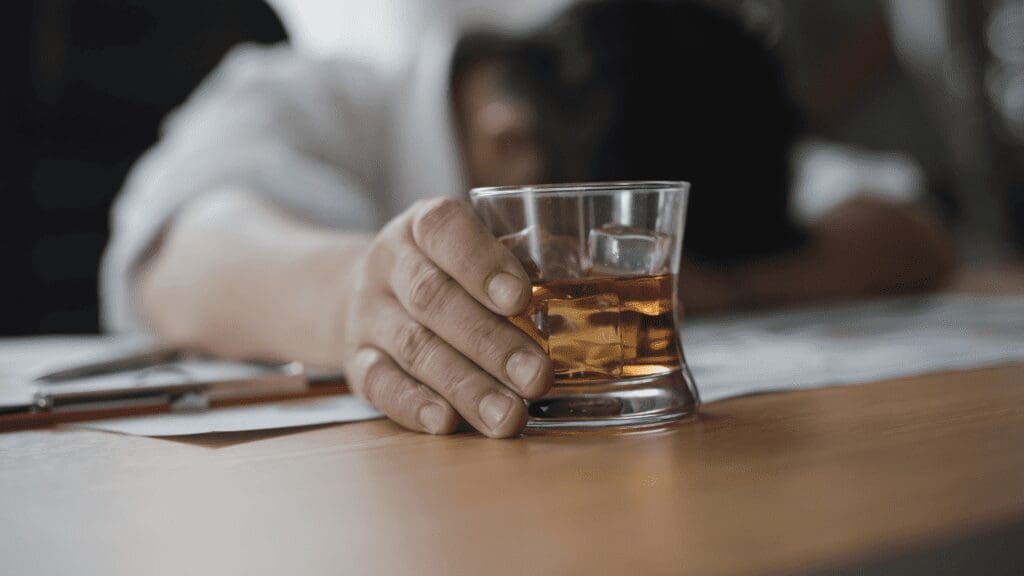
Alcohol gets its own section here because it’s one of the few substances that can kill someone during withdrawal. Detoxing from alcohol usually starts within 6 to 12 hours after the last drink and hits its peak around the 24 to 72 hour mark.
For someone who’s been drinking heavily for years, that window is genuinely risky. Seizures can happen. So can delirium tremens, or DTs, which is a medical emergency on its own.
This is the reason doctors don’t recommend quitting alcohol cold turkey at home, even for people who feel confident they can handle it.
What Happens During Medical Detox
Medical detox isn’t a mystery once you know what’s actually involved. It’s a structured process built around keeping someone safe while their body clears the substance.
- Assessment and intake. A clinical team goes through substance use history, medical history, and any mental health conditions to build a plan specific to that person.
- Stabilization. This is the acute phase. Staff monitor vital signs around the clock and manage symptoms, sometimes with medication.
- Symptom management. Medication can ease nausea, anxiety, sleep problems, and cravings, depending on what someone’s coming off of.
- Emotional support. Counseling often starts during detox, not after it, because the psychological side of withdrawal doesn’t wait.
- Transition planning. Before detox ends, the team already has the next step lined up, whether that’s PHP, IOP, or outpatient care.
This is why medical detox tends to go smoother than people expect walking in. It’s monitored and paced. Nobody’s just gritting their teeth through it alone.
Warning Signs That Mean You Need Help Right Now
Symptoms differ depending on the substance, but some signs mean it’s time to act immediately, not wait and see.
Things staff watch for closely:
- Tremors or shaking
- Nausea and vomiting
- A racing heart or spiking blood pressure
- Sweating and chills
- Anxiety, irritability, or agitation
- Trouble sleeping
- Confusion or hallucinations
- Seizures
Confusion, hallucinations, or seizures during withdrawal are not something to wait out. Call 911 or get to an emergency room immediately.
Why Detox Alone Isn’t Enough
Detox matters, but it’s not a full treatment plan on its own, especially when the addiction is tangled up with trauma, anxiety, or depression.
Here’s the part nobody likes hearing but needs to:
- Detox doesn’t touch on why someone started using in the first place. That work happens in therapy, not during withdrawal.
- Finishing detox doesn’t mean someone’s safe from relapse. People who go straight back to daily life without follow-up care relapse far more often.
- The days right after detox are fragile. Without a plan, it’s easy to lose the progress made during those first hard days.
- The next step needs to already be set up before detox ends, not figured out afterward.
This is why Absolute Awakenings builds detox placement into a full continuum of care instead of treating it as a one-time service. Our treatment program overview covers what comes next in more detail.
We work with individuals and families across Morris County, including Denville, Parsippany, and Morristown, along with the surrounding North Jersey area.
Conclusion
If you or someone you love is ready to take the next step, contact Absolute Awakenings or call (866) 768-0528. Nobody expects you to have all the answers before making that call, and it stays confidential either way.
This blog is intended for general educational purposes and is not a substitute for professional medical advice. Anyone considering detox should talk to a licensed clinician about an individualized treatment plan.
Frequently Asked Questions
How long does drug detox take?
Most drug detoxes run 3 to 10 days for the acute phase. The exact length depends on the substance and the person’s history.
How long does alcohol detox take?
Alcohol withdrawal usually peaks between 24 and 72 hours and mostly resolves within a week, though some symptoms linger longer.
Is it safe to detox from alcohol at home?
Not usually. Alcohol withdrawal can cause seizures and delirium tremens, both of which need medical management. Supervised detox cuts that risk down significantly.
Can I detox from drugs without medical help?
It’s possible with some lower-risk substances, but it’s not recommended. Complications can show up suddenly, and medical staff exist specifically to catch them before they get worse.
Does insurance cover detox in New Jersey?
Most plans cover at least part of it. Absolute Awakenings works with major insurers including Aetna, Cigna, and Anthem. Verify your benefits here before deciding anything.
Are there detox centers in NJ near me?
Absolute Awakenings works with a vetted network of detox centers in NJ across Morris County and nearby areas, and can help get someone placed quickly.
What happens after detox is finished?
Most people move into PHP, IOP, or standard outpatient care next. That’s where the actual addiction gets treated, not just the physical dependence.
What if a family member is refusing help?
This is one of the most common calls admissions gets. Call anyway. Staff can walk you through how to approach someone who isn’t ready yet, and what options exist in the meantime.
Is medical detox painful?
It can be uncomfortable, but medication and monitoring exist specifically to bring that down. Nobody should have to grit their way through it.
How much does detox cost without insurance?
Costs vary by facility and length of stay. Self-pay and financing options exist. Admissions can walk through payment options directly.