

Someone decides to quit on a Friday night. No appointment, no plan, just a decision to stop and grit their way through whatever comes next. By Sunday, they’re shaking, throwing up, and genuinely scared, wondering if this is a normal part of quitting or if something’s gone seriously wrong. This plays out across New Jersey every week, and it’s exactly what pushes people to search for a safer way through it.
New Jersey recorded 1,312 suspected drug overdose deaths in 2025, a 27% drop from the year before, according to data reported through NJ Cares. That decline is genuine progress. It also means overdose is still a daily risk for people in active addiction, including during withdrawal itself, when relapse and overdose risk both climb sharply.
This guide breaks down what a real New Jersey detox center offers next to detoxing at home, what withdrawal actually involves, and how to choose care that’s genuinely safe. If you or someone you love needs help figuring out the next step, Absolute Awakenings’ detox placement program connects clients with a vetted network of top-rated detox centers across the state. Call (866) 768-0528 any time.
Key Takeaways
- A New Jersey detox center provides 24-hour medical supervision during withdrawal, while at-home detox means facing the same physical process with no medical support nearby.
- Drug withdrawal symptoms range from uncomfortable to genuinely dangerous depending on the substance. Alcohol and benzodiazepine withdrawal can be fatal without medical care.
- New Jersey recorded 1,312 suspected drug overdose deaths in 2025, a 27% decline from 2024, according to state data reported through NJ Cares. Real progress, but the risk hasn’t disappeared.
- Medical detox programs use medication, monitoring, and clinical staff to manage withdrawal safely and cut down relapse risk during the most dangerous stretch of early sobriety.
- At-home detox carries higher risk for certain substances and offers no way to respond quickly if something goes wrong.
- Choosing a detox center in NJ means checking accreditation, medical staffing, and what happens after detox ends, not just how nice the facility looks.
- Absolute Awakenings works with a vetted network of top-rated detox centers across New Jersey, matching each client to the right level of medical care before treatment even begins.
What Is Medical Detox, and How Is It Different From Going Cold Turkey at Home?
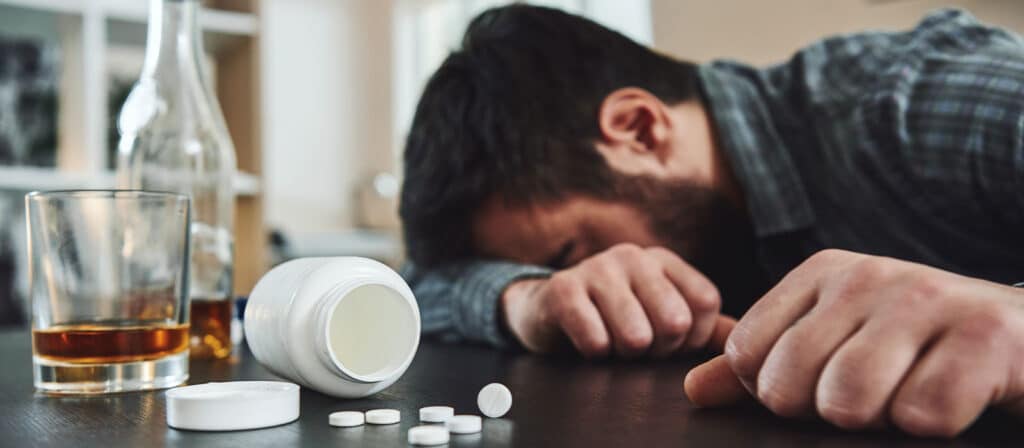
Medical detox means going through withdrawal with doctors and nurses supervising, often with medication to ease symptoms. At-home detox means going through that same physical process with none of that support in place.
The physical process, the body adjusting to the absence of something it’s grown dependent on, happens either way. What changes is everything around it. In a medical setting, vital signs get checked regularly, medication is available to reduce discomfort and head off complications, and staff are right there if something goes wrong. At home, none of that exists. It’s just a person and whatever symptoms show up next.
A few things that set the two apart:
- Monitoring. Medical detox tracks blood pressure, heart rate, and other vitals throughout the process. At-home detox has no way to catch a dangerous shift before it turns into an emergency.
- Medication support. Detox facilities can give medications that ease symptoms and, for certain substances, prevent complications that can be life-threatening.
- Immediate response. If something goes wrong during medical detox, help is already in the room. At home, it means a 911 call and a wait.
- Structure. A facility setting removes access to the substance entirely, which cuts down the relapse risk that peaks in the first 24 to 72 hours.
What Drug Withdrawal Symptoms Should You Expect?
Drug withdrawal symptoms differ a lot by substance, and knowing which category applies matters, because some withdrawal processes carry real medical danger while others are mostly just miserable.
Alcohol withdrawal:
- Tremors, sweating, and anxiety within hours of the last drink
- Nausea and a racing heart
- In severe cases, seizures or delirium tremens, which can be fatal without medical treatment
Opioid withdrawal (heroin, fentanyl, prescription painkillers):
- Muscle aches, sweating, restlessness
- Nausea, vomiting, diarrhea
- Rarely fatal on its own, but dehydration and relapse-related overdose are real risks
Benzodiazepine withdrawal (Xanax, Valium, Klonopin):
- Anxiety, insomnia, tremors
- Seizure risk, sometimes with little warning, and potentially fatal
- Usually needs a slow, medically managed taper rather than stopping cold
Stimulant withdrawal (cocaine, meth, Adderall):
- Deep fatigue and depression
- Intense cravings
- Rarely dangerous medically, but the depressive crash can bring serious mental health risk, including suicidal thoughts
Two of these, alcohol and benzodiazepines, carry a genuine risk of death without medical supervision. That fact alone is often what settles whether at-home detox was ever a reasonable option in the first place.
How Does a New Jersey Detox Center Actually Work?
A New Jersey detox center manages withdrawal through medical evaluation, monitoring, and treatment, typically running five to ten days depending on the substance involved.
The general process looks like this:
- Intake and assessment. A medical team reviews substance use history, physical health, and mental health before anything else starts.
- Medical stabilization. Medications get used as needed to manage symptoms and prevent complications, particularly with alcohol and benzodiazepine withdrawal.
- Round-the-clock monitoring. Staff check vital signs regularly and step in immediately if something shifts.
- Symptom management. Additional medications handle specific symptoms like nausea, insomnia, or anxiety as they come up.
- Transition planning. A responsible detox program doesn’t end with a discharge and a handshake. It moves the person directly into further treatment, since detox alone rarely produces recovery that lasts.
Absolute Awakenings doesn’t run detox on-site. Instead, the team places clients with a vetted network of accredited detox providers across New Jersey, matching each person to the facility best suited to their specific substance and medical needs, then coordinates the move into ongoing treatment once detox wraps up.

Why Is At-Home Detox Riskier Than It Sounds?
At-home detox feels manageable on paper, but withdrawal is unpredictable, and the exact point where it turns dangerous is rarely obvious until it’s already happening.
A few reasons this matters:
- Complications don’t send a warning. Someone withdrawing from alcohol might feel okay for a full day, then develop seizures with almost no notice. Without monitoring, there’s no way to catch that shift early.
- Dehydration adds up fast. Vomiting and diarrhea during withdrawal, common with both opioids and alcohol, can lead to dangerous fluid loss within hours.
- Relapse risk peaks right when it’s most dangerous. Someone who relapses partway through unsupervised withdrawal, once their tolerance has already started dropping, faces real overdose risk.
- There’s no professional judgment on hand. Family members trying to help often can’t tell what’s a normal part of withdrawal from what’s an actual emergency.
None of this means at-home detox always ends badly. It means the odds are stacked in a way that’s hard to see clearly from the inside, especially for the person actually going through it.
What Should You Look For in a Detox Center in NJ?
A quality detox center in NJ should have medical staff on-site or on-call at all times, real accreditation, and a clear plan for what happens after detox ends, not just a comfortable place to sit out withdrawal.
Questions worth asking before choosing a facility:
- Is the facility accredited? Look for accreditation from an organization like The Joint Commission, which confirms the facility meets recognized clinical standards.
- What medical staff are actually on-site? Detox should involve doctors and nurses, not just support staff, especially for substances with serious withdrawal risk.
- Does the facility offer medication-assisted treatment? For opioid and alcohol withdrawal specifically, medication options can make a real difference in both comfort and safety.
- What happens after detox? A facility with no follow-up plan is setting people up to detox again in a few months. Look for direct coordination into inpatient, partial hospitalization, or outpatient treatment.
- Does the facility take your insurance? Most major insurance plans cover medically necessary detox, and a reputable facility verifies this before treatment starts.
What Does Detox Cost, and Does Insurance Cover It?
Detox costs vary by facility and length of stay, but most major insurance plans cover medical detox as an essential health benefit, which cuts down out-of-pocket costs for most families significantly.
A few things that affect cost:
- Length of stay. Detox typically runs five to ten days, though this shifts depending on the substance and individual medical needs.
- Level of medical care required. Alcohol and benzodiazepine detox, which carry higher medical risk, often need more intensive monitoring and medication than opioid or stimulant detox.
- Insurance coverage. Most major providers, including Cigna, Aetna, Empire BCBS, and Anthem, cover medically necessary detox, though the exact coverage depends on the individual plan.
Absolute Awakenings works with most major insurance providers and verifies benefits before treatment begins, so families know what to expect financially before committing to anything.
Conclusion
If you or someone you love is trying to figure out the safest way to detox, contact Absolute Awakenings for a confidential conversation about your options. The team is available 24/7 to talk through what medical detox involves and help arrange placement at an accredited facility.
FAQs
Is it ever safe to detox from drugs or alcohol at home?
For some lower-risk substances, mild withdrawal may be manageable without medical care. Alcohol and benzodiazepine withdrawal are different. They carry a real risk of seizures and death and should never be attempted without medical supervision.
How long does medical detox usually take?
Most detox stays run five to ten days, depending on the substance and how the body responds. Some cases take longer, particularly with prolonged or heavy use.
Does insurance cover medical detox in New Jersey?
Most major insurance plans cover medical detox as an essential health benefit. Absolute Awakenings verifies your specific coverage before treatment starts.
What happens after detox is finished?
Detox handles the physical withdrawal, not the underlying addiction itself. A responsible program moves clients directly into further treatment, whether that’s inpatient care, partial hospitalization, or outpatient therapy.
How do I know if my symptoms are dangerous enough to need medical detox?
If you’re withdrawing from alcohol or benzodiazepines, medical detox is strongly recommended regardless of how mild symptoms seem, since complications can develop fast. For other substances, severe vomiting, confusion, chest pain, or seizures mean it’s time for emergency care.
Can family members help someone through withdrawal at home safely?
It’s genuinely hard without medical training, since the line between normal discomfort and a real emergency isn’t always clear. Reaching out to a detox facility before withdrawal starts is safer than trying to manage it alone.