



Many people start looking for answers after noticing unusual symptoms, worrying about a drug test, or trying to stop using opioids. It can feel scary not knowing how long a substance may stay in the body or how long the effects might last.
Fentanyl is a powerful synthetic opioid that can stay in the body longer than many people expect. Questions about detection times often come up after medical use, substance misuse, or during recovery, especially when people want to understand how long fentanyl stays in their system and how it may affect testing or withdrawal. The answer can vary depending on the amount used, how often it was taken, and individual body factors.
Did you know that fentanyl is estimated to be up to 50 times stronger than heroin and can continue affecting the body even after the immediate effects wear off? Because of its potency, traces may remain detectable for different lengths of time depending on the type of drug test being used.
Absolute Awakenings provides support for individuals dealing with opioid use and recovery, helping people better understand withdrawal, treatment options, and the effects substances can have on the body over time.
Blog Objective
This blog explains how long fentanyl can remain in the body, factors that affect detection time, withdrawal timelines, and when professional support may help during recovery from fentanyl use.
Key Takeaways
- Fentanyl can stay in the body for different lengths of time depending on how much was used and how often it was taken
- Urine tests may detect fentanyl longer than blood or saliva tests
- Withdrawal symptoms can begin within hours after stopping use
- Factors like metabolism, body health, and repeated use can affect detection time
- Getting medical support during withdrawal can help reduce risks and support safer recovery
What Is Fentanyl and Why Does It Stay in the Body?
Fentanyl is a man-made opioid prescribed to treat some serious pain, but also associated with high levels of misuse and overdose. Its effect on the brain and nervous system is very potent; it can affect the brain and nervous system to an extreme degree even with small amounts.
Fentanyl is slowly metabolised by the body, and this can lead to the presence of its residues in the body after its use has ceased. An important issue is halflife, which refers to how long it will take 50% of the fentanyl to be excreted. The body eliminates fentanyl in phases so it can take longer than many people think for it to be completely eliminated.
How Long Does Fentanyl Last?
Fentanyl can be detected based on the type of drug test, and an individual’s health. The following is a general guide to common testing methods.
| Test Type | Detection Window |
|---|---|
| Urine | 1 to 3 days or longer |
| Blood | Up to 48 hours |
| Saliva | 24 to 48 hours |
| Hair | Up to 90 days |
The time it takes to detect may vary depending on metabolism, frequency of use, body composition and health. People who use fentanyl often may be exposed to it for a longer period of time than people who use it one time.
Factors That Affect Detection Time
Fentanyl detection time and how long it stays in the body could be affected by a number of factors:
- Frequency of use
- Dosage amount
- Metabolism speed
- Liver and Kidney condition
- Body fat percentage
- Hydration levels
If someone has been using fentanyl for some time, the chemicals may be present in their body for a longer period of time than if they only used it once.
How Long Does Fentanyl Stay in Urine and Blood?
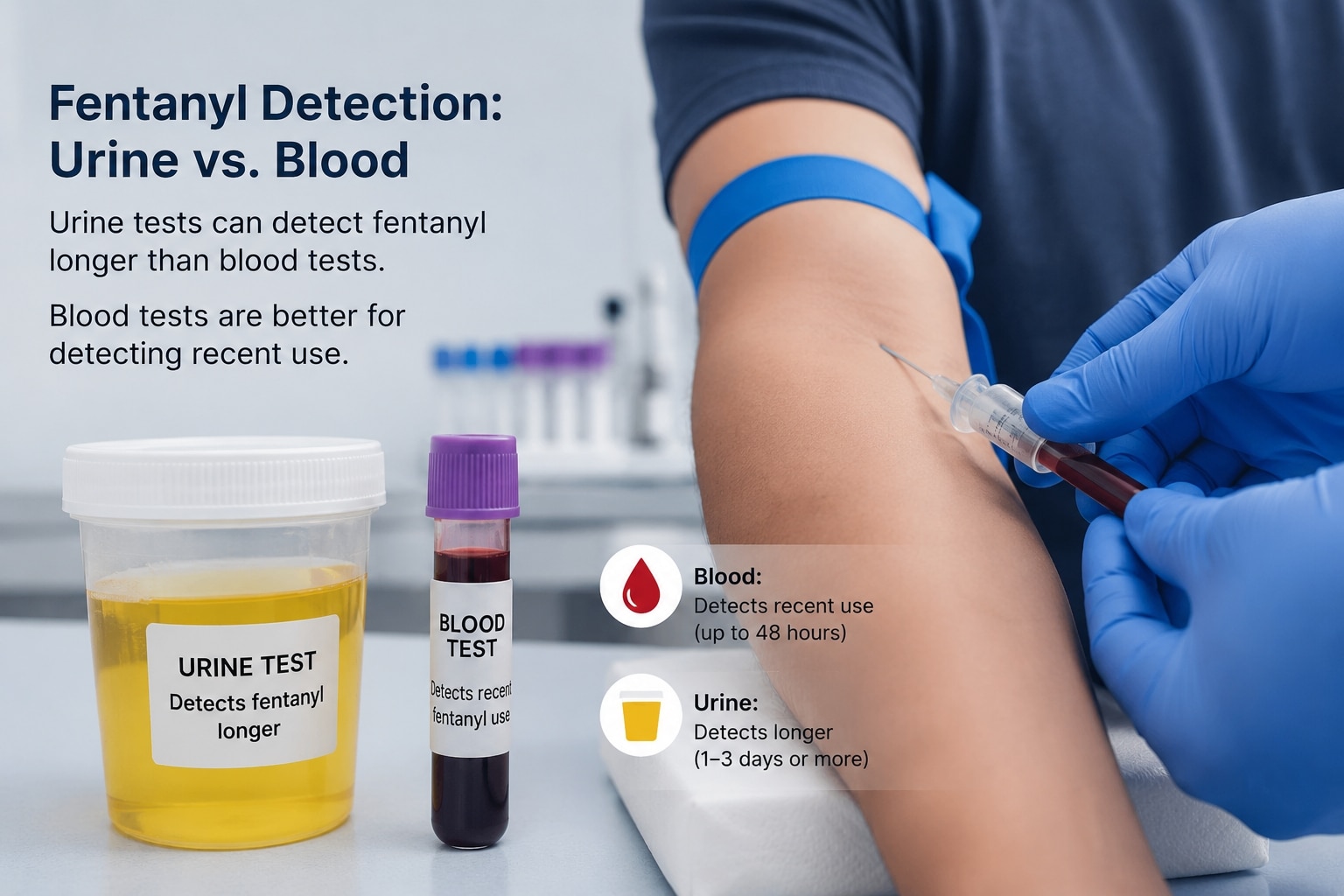
Detection times can vary from person to person depending on factors like metabolism, frequency of use, dosage, and overall health. Substances are often detectable in urine longer than blood and urine testing is widely used in medical, workplace, and recovery environments.
Recent use is also more likely to be detected through blood tests as the body eliminates fentanyl faster from the blood. Urine testing will often have a longer detection window than blood testing.
Can Fentanyl Build Up in the Body?
If someone uses fentanyl over time, it may get stored in the body’s tissues. This can lead to dependency and also the risk of overdose.
The body adapts to the presence of the drug as it’s used. Then more will be required to produce similar effects, increasing health risks greatly. Opioid misuse can quickly become dangerous for this reason.
Some of the signs that Fentanyl might still be in the system:
Fentanyl can have long-lasting impacts on the body and mind, even after the initial effects have passed.
- Drowsiness or fatigue
- Slowed breathing
- Muddiness or fogginess of the mind
- Mood changes
- Strong cravings
These symptoms might mean the body is recovering from use.
Fentanyl Withdrawal Timeline
Fentanyl is a very powerful drug that is short acting, which means that withdrawal can start relatively soon after use has stopped.
| Time Frame | Common Symptoms |
|---|---|
| 6 to 12 hours | Anxiety, restlessness, cravings |
| 1 to 3 days | Symptoms peak with body aches and nausea |
| 4 to 7 days | Physical symptoms slowly improve |
| Several weeks | Emotional symptoms may continue |
Knowing the fentanyl withdrawal timeline can make it easier for individuals to know what to expect when recovering from fentanyl.
Common Withdrawal Symptoms
Withdrawal has physical and emotional impacts on many people. Side effects of stopping using fentanyl include:
- Muscle pains and sweating.
- Upset stomach or nausea
- Anxiety or irritability
- Sleep problems
- Chills and shaking
- Intense cravings
Symptoms may differ depending on the duration and dosage of the fentanyl use.
Why Withdrawal Can Be Difficult
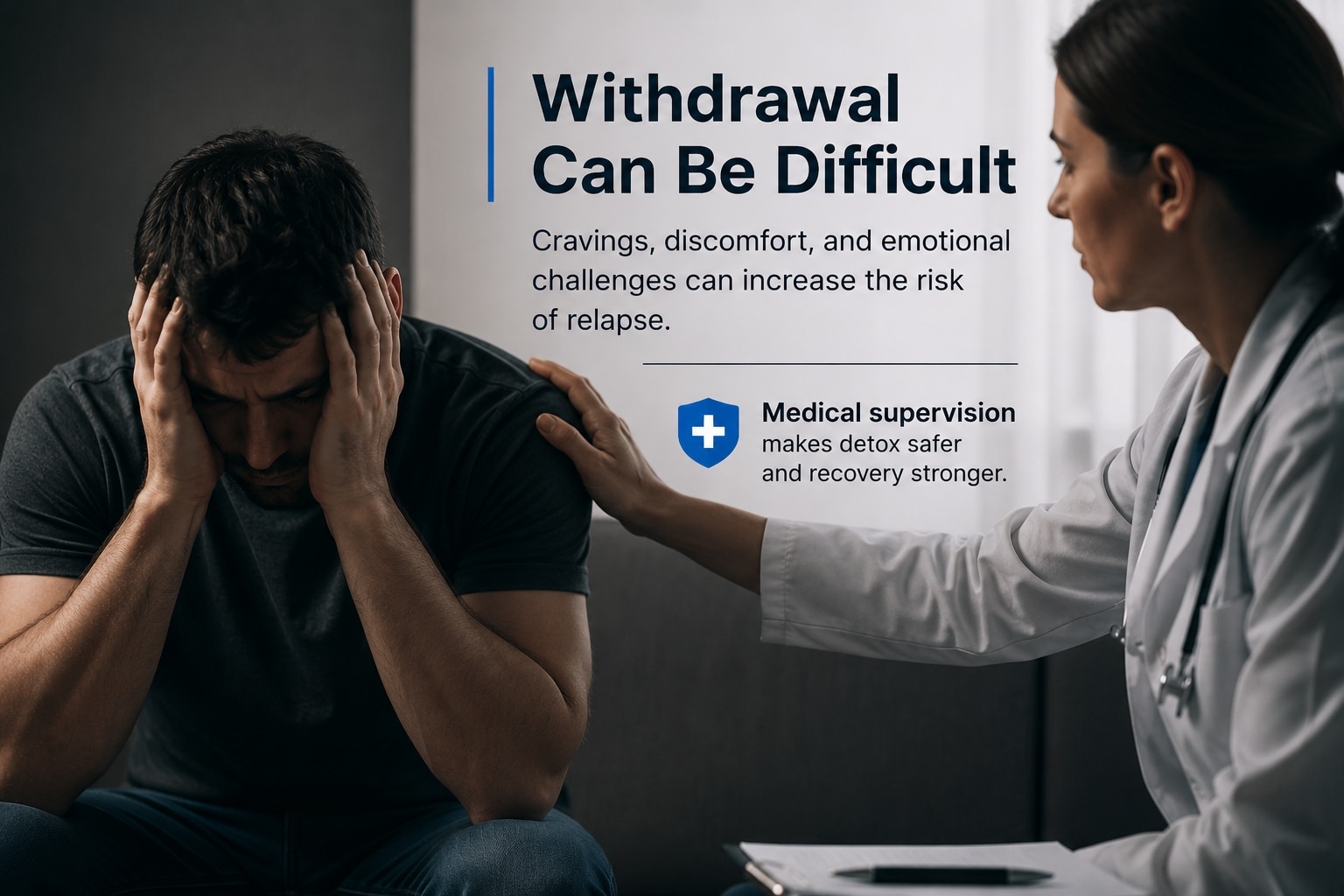
Addiction can be physically and emotionally exhausting, particularly when you don’t get help. Many people are comparing it to other concerns regarding opiate withdrawal, such as the length of time opiates remain detectable in urine and how opiate withdrawal impacts daily living.
Increased cravings and discomfort can appear to be a risk of relapse, especially in the first few days after the last use. That is why it is important to have medical supervision during the process of detox and early recovery.
When to Look for Professional Help
Professional help might be necessary if withdrawal symptoms are too challenging to manage or if repeated withdrawal attempts have failed.
Some indicators that more care than is usual might be beneficial include:
- Intense urges that disrupt daily functioning
- Severe withdrawal symptoms
- Relapse after previous detox attempts
- Trouble functioning without opioids
Programs offering a fentanyl addiction treatment program in NJ may provide medical supervision, emotional support, and recovery planning to help individuals move through withdrawal more safely.
How Treatment Programs Support Recovery
When you have the appropriate support around you, recovery can seem more manageable. Treatment programs may involve medical treatment, counseling and continued guidance as part of the recovery process.
Medical professionals can assist to manage withdrawal symptoms, alleviate physical discomfort, and provide emotional support during challenging times. This type of care can make individuals feel supported, safe, and empowered to make strides toward healthier daily routines and long-term recovery.
Looking for Safe and Supportive Recovery Care?
Knowing more about the use, withdrawal and recovery from fentanyl, can seem confusing, but with the right support the experience can be less stressful and safer. Absolute Awakenings Treatment Center offers direction, attention and assistance for the person seeking long-term recovery and a healthy lifestyle.
Conclusion
Fentanyl can stay in the body for longer than some people think, and can be detected for different lengths of time depending on the type of test used, how often they use it and their overall health. Knowing these timelines can be helpful for individuals to make safe decisions and prepare for their recovery or treatment.
For those who are struggling with fentanyl use, or for those who know someone who is, seeking help can make the recovery journey safer and more manageable. Absolute Awakenings provides direction and a planned recovery path for people seeking to pursue long-term recovery. Early help can make recovery a safer, more supported and easier path to take in the long-term.
Ready to start building a healthier future with the support of Absolute Awakenings? Taking the first step today could help you move closer to recovery, stability, and a more balanced life.
FAQs
How long is fentanyl detectable in urine?
It is possible that fentanyl can be found in the urine for up to 1 to 3 days, depending on the frequency or duration of use.
How long does fentanyl remain in the urine?
The amount of time fentanyl stays in urine depends on factors like dosage, metabolism, and frequency of use, but it is often detected for several days after the last use.
How long does fentanyl stay in the blood?
Fentanyl is usually detectable in blood for up to 48 hours, although this can vary from person to person.
What factors impact fentanyl detection time?
Bigger body weight, liver condition, hydration, metabolism and frequency of fentanyl use could impact detection time.
When do symptoms of fentanyl withdrawal start?
Symptoms of withdrawal may start 6-12 hours after the last dose and may become more intense over the following days.