
Objective
Addiction treatment works best when it uses methods that have been tested, not ones that are guessed. This blog explains why research-backed therapies matter, what five proven therapies do, and why combining them can support stronger, longer recovery.
Key Takeaways
- Evidence-based methods are studied and tracked for results.
- Each therapy supports recovery differently.
- Combining therapies can cover more triggers and needs.
- Plans work best when they fit the person’s history and goals.
- Practical details like licensing, schedule, and insurance matter.
1) Why research-backed therapies matter
Addiction affects behavior, emotions, and the brain’s reward system. That is why “trying harder” often fails when stress hits. Research-backed therapies give people skills and structure that hold up under pressure.
These methods are tested in real settings. Researchers track relapse risk, treatment attendance, and mental health changes. Over time, the strongest approaches become standard tools.
Evidence-based therapy helps you:
- spot triggers early,
- practice safer coping skills,
- rebuild routines,
- and stay engaged long enough for change to stick.
2) CBT: changing thoughts that lead to using
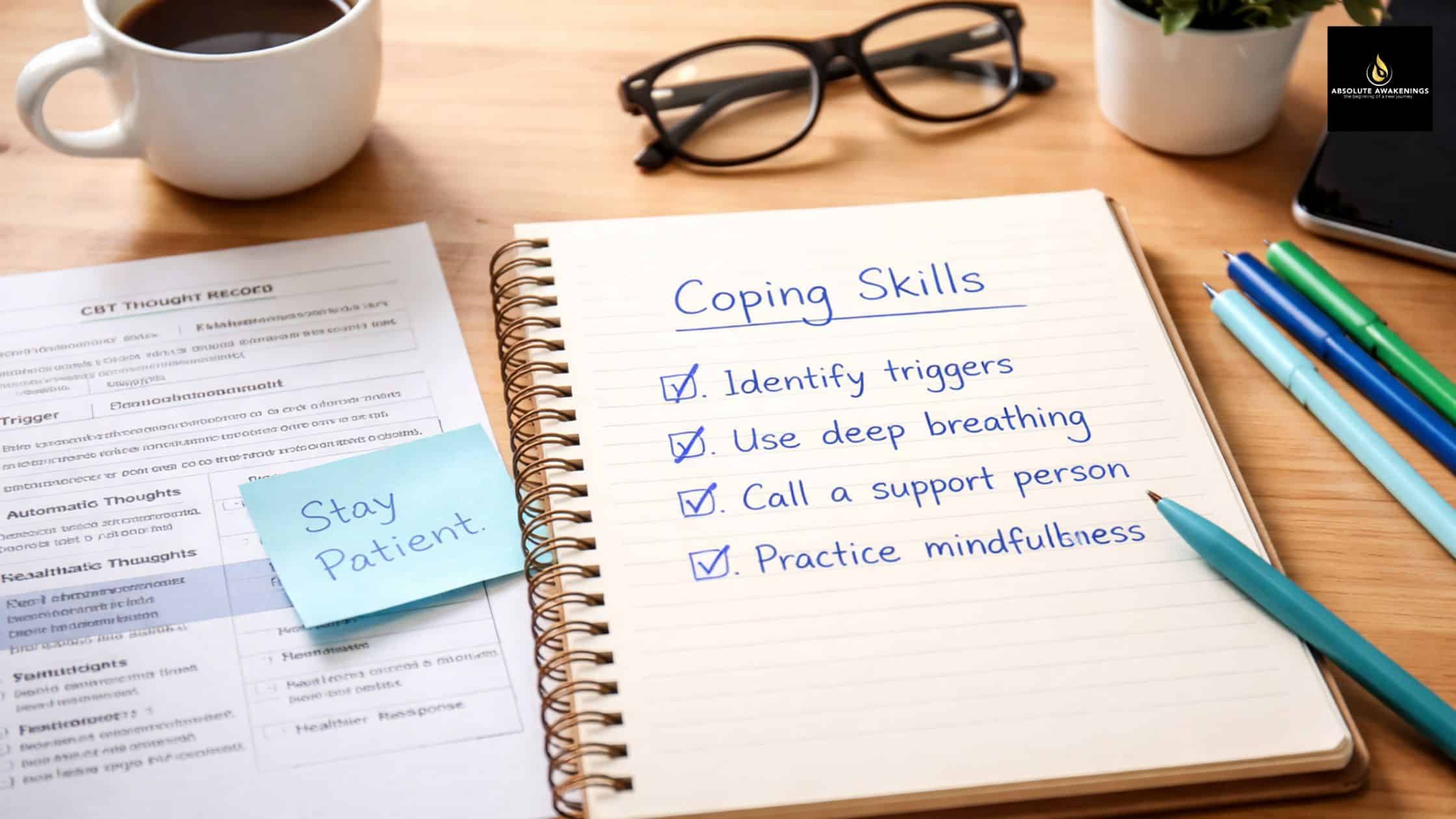
Cognitive Behavioral Therapy (CBT) helps people notice the thoughts that push them toward substances. A thought can be quick, like “I can’t handle this,” or “One time won’t matter.” CBT teaches you to slow down that moment.
CBT often includes:
- trigger tracking,
- thought checks,
- coping plans for cravings,
- and relapse prevention practice.
CBT is popular because it is practical. The skills can be used at home, at work, and during hard conversations.
3) DBT: getting through big feelings safely
Dialectical Behavior Therapy (DBT) is useful when emotions feel intense or hard to control. Many relapses happen during emotional storms, not calm days. DBT teaches skills for those moments.
DBT skills usually cover:
- mindfulness,
- distress tolerance,
- emotion regulation,
- and communication tools.
DBT does not remove feelings. It helps you handle them without using substances.
4) MAT: support for cravings and withdrawal
Medication-Assisted Treatment (MAT) combines medication with counseling. It is commonly used for opioid and alcohol use disorders. MAT can reduce cravings and ease withdrawal, which can make therapy easier to focus on.
MAT may help by:
- stabilizing the body in early recovery,
- lowering relapse risk,
- and helping people stay in care.
MAT works best with licensed medical oversight and a clear plan.
5) Trauma-informed care: treating the pain behind the pattern
Many people with substance use disorders have lived through trauma. Trauma can be a single event or years of stress. Trauma-informed care is an approach that prioritizes safety, trust, and choice.
It often includes:
- clear communication about what will happen,
- avoiding shame-based language,
- building coping skills before deep trauma work,
- and creating a respectful, steady environment.
It shifts the focus from “What is wrong with you?” to “What happened, and what do you need now?”
6) Motivational interviewing: building real reasons to change
Motivational Interviewing (MI) helps when someone feels unsure or stuck. Many people want recovery and fear it at the same time. MI respects conflict rather than arguing with it.
MI helps people:
- find personal reasons to change,
- build confidence through small steps,
- and turn “maybe someday” into a plan.
It can be especially useful early in treatment, when motivation can be fragile.

7) Why does combining therapies help?
Addiction rarely has one cause. One person may struggle most with cravings. Another may relapse due to anxiety or anger. Another may be carrying trauma. That is why multifaceted care can work well.
A simple way to see it:
- CBT targets triggers and thinking patterns.
- DBT supports emotional control and impulse breaks.
- MAT supports the physical side of cravings and withdrawal.
- Trauma-informed care improves safety and trust, enabling deeper work.
- MI strengthens motivation and follow-through.
This is also where Absolute Awakening fits in the body: combining therapies makes it easier to adjust support based on what a person is facing right now.
8) Personalizing the plan
Personalized care means the plan matches the person. Two people can use the same substance and still need different support.
A solid plan considers:
- substance use history,
- mental health needs,
- trauma and safety,
- physical health and sleep,
- and recovery goals.
Plans should change over time. Early recovery often focuses on stability and coping. Later stages often focus on routines, relationships, and long-term relapse prevention.
9) Practical considerations that matter
Good therapy can fail if life logistics break the plan. Before choosing care, check:
Bring a list of questions to calls.
- Licensed professionals: who provides therapy and medical care?
- Structured schedule: Does it include a clear weekly plan?
- Telehealth: Is there support for step-down care or aftercare?
- Insurance and cost: what is covered and what is out-of-pocket?
- Flexibility: Can it fit work and family duties?
- Aftercare: Is there a plan for ongoing support?
Build Recovery on Proven, Research-Backed Care
Lasting recovery is stronger when treatment is built on therapies that are tested and trusted. At Absolute Awakenings, we combine evidence-based approaches like CBT, DBT, MAT, trauma-informed care, and motivational interviewing to support your emotional, physical, and long-term healing goals. If you’re ready for a personalized plan that fits your life, compassionate and professional support is here.
FAQs
1) Which therapy is best for addiction?
There is no single best therapy for everyone. CBT helps with triggers and relapse planning. DBT helps with emotional control. MI supports motivation. MAT can help when cravings and withdrawal are major barriers. Many people do best with a mix.
2) Does MAT replace therapy?
No. MAT supports the body so a person can focus on therapy, skill practice, and lifestyle change. Licensed clinicians should guide it.
3) Can these therapies help if I also have anxiety or depression?
Yes. Many people have both addiction and mental health symptoms. Evidence-based plans often treat both together because untreated anxiety or depression can raise relapse risk.
4) What should I ask before starting treatment?
Ask about licensing, therapy schedule, medical support, telehealth options, insurance coverage, and aftercare planning.
Conclusion
Recovery becomes more stable when treatment is built on tested methods and matched to real needs. Research-backed therapies teach practical skills, and combining them can address behavior, emotions, trauma, and physical cravings. If you want a clearer path, explore Absolute Awakening’s approach and look for a plan that supports both your short-term stability and your long-term goals.
You deserve care that is proven, practical, and built around your life. Take the next step when you are ready.